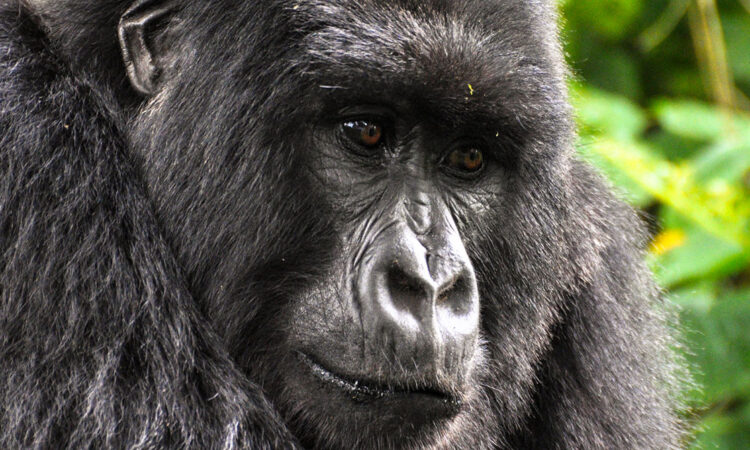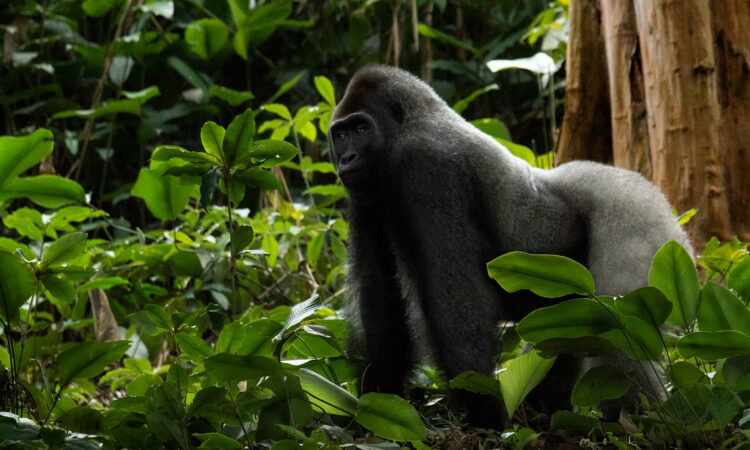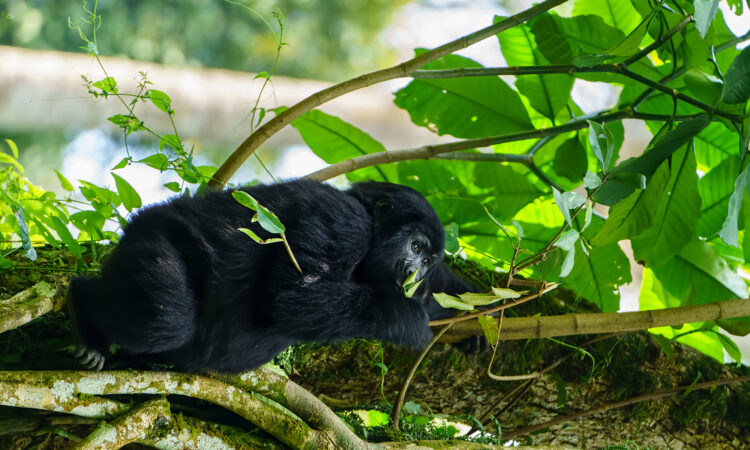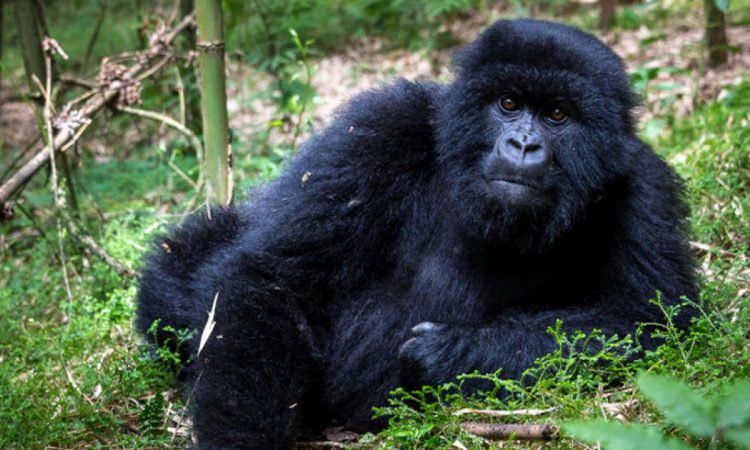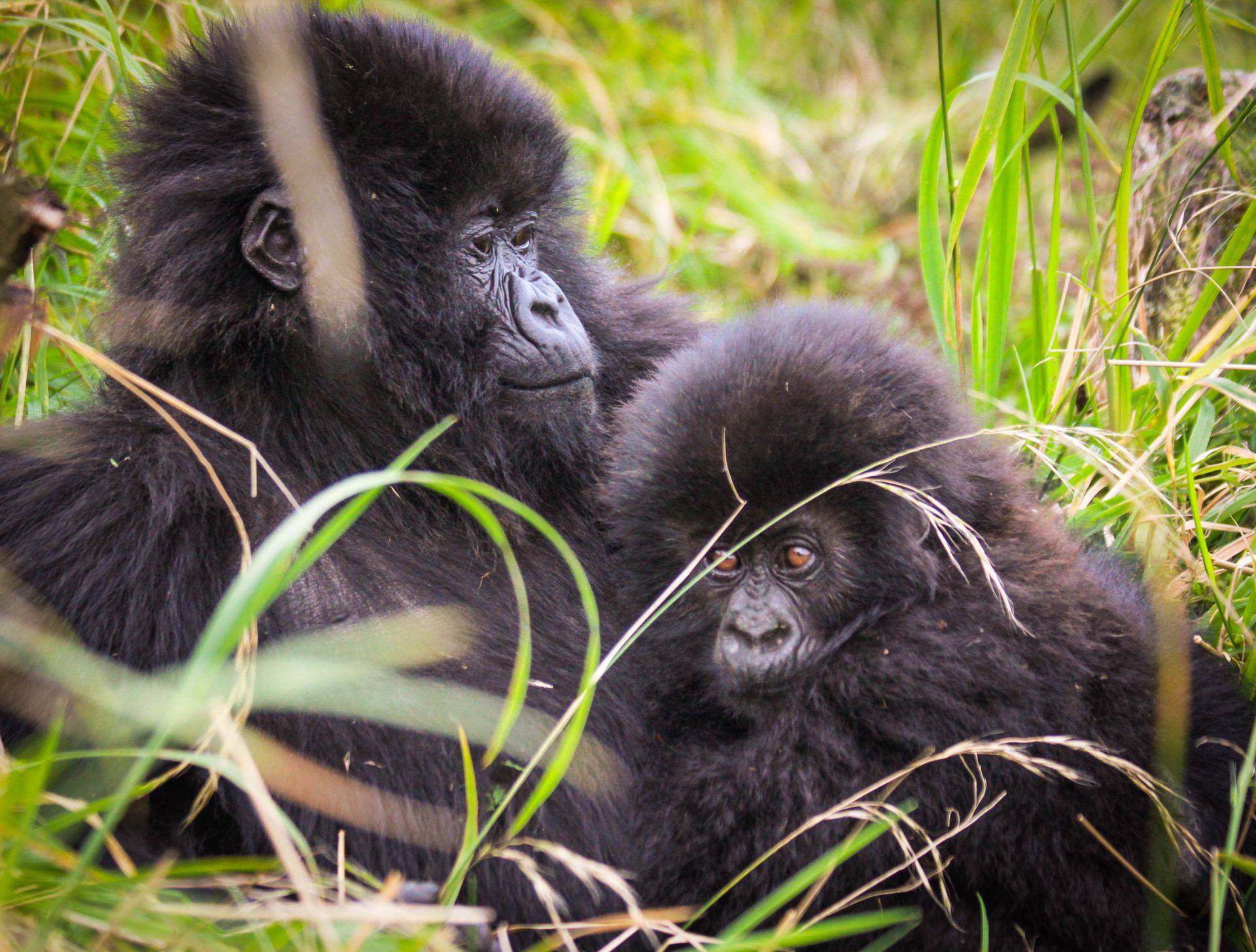
Mountain Gorillas are one of the largest and strongest great apes occupying the tropical rain forests in mountainous areas of East and Central Africa. These great apes, scientifically known as beringei beringei are only found in three African countries – Uganda, where they are sheltered within Bwindi Impenetrable and Mgahinga Gorilla National Parks, Rwanda living in Volcanoes National Park and Democratic Republic of Congo within the iconic Virunga National Park. These gorilla species have gone through a rough but exciting conservation journey to attain their World population of 1063 individuals.
Their numbers have sincerely almost doubled since its lowest point in 1981 when their population stood at only 254 individuals, but the mountain gorillas were declared “endangered” under the IUCN Red List. They still face a number of threats to their lives in the mountainous Tropical rain forests, which when unchecked can even lead to their extinction. We highlight some of the reasons why mountain gorillas were endangered;
Poaching.
These Great Apes were endangered because of being maimed from time to time or even killed by snares and traps set for other animals especially elephants and antelopes. Their body parts especially hands, heads and feet were/are sold to collectors while infants illegally sold to researchers and zoos for pets. The abduction of infant mountain gorillas definitely doesn’t come easy because at least one adult (especially the silverback gorilla) will be injured or worse still lose life as a result of defending the group to death.
Of all the three countries, mountain gorillas in Congo’s Virunga National Park are the most vulnerable to animal trafficking for illegal pet trade, with infant gorillas costing between $1000 and $5000 on the black market. One of the popular and well documented cases of mountain gorilla killings was at Bikenge, within Virunga National Park in January 2007.
Habitat Loss.
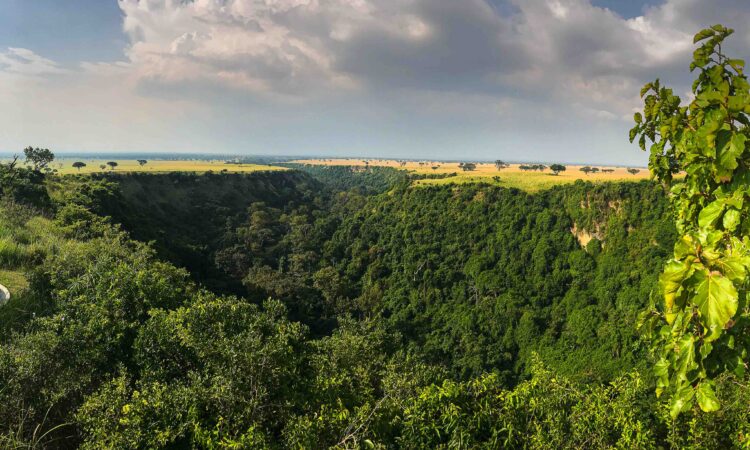
Mountain gorillas were also endangered because of the loss of part of their natural environments, hence threatening their populations. The dense Tropical rainforests where these Great Apes live are surrounded by rapidly growing human populations. With the existence of traditional agricultural systems like shifting cultivation, logging and many others, gorilla habitats have continuously suffered fragmentation and degradation. The Rwandan side of the Virunga Conservation Area (that also includes Mgahinga and Virunga National Parks) reduced by more than half its original size in the late 1960s to support the cultivation of pyrethrum.
This subsequently contributed to the great reduction in the Great Apes numbers by mid-1970s. With increased deforestation, mountain gorillas are confined to isolated deserts instead of freely roaming in their natural habitats.
The effects of habitat loss go beyond the decrease in suitable living space of mountain gorillas in that, as these Great Apes are continuously isolated geographically from one another because of human settlement, genetic diversity of each gorilla family is declined.
Oil and Gas Exploration.
A number of European Oil and Gas Companies were accorded exploration concessions for Virunga National Park, in the Eastern Democratic Republic of Congo. These developments negatively affect their security and made them endangered.
Wars and instability.
The three countries sheltering mountain gorillas have had a fair share of political instability as well as being affected by war and civil unrest over the last decades. Studies indicate that during the period of war and unrest, there were also negative impacts on the natural habitats and populations of mountain gorillas. Also, increased human encounters (passive and aggressive) have greatly contributed to the rise in mortality rates and overall reduction in reproduction success.
Additionally, pressures from habitat destruction in form of logging also worsened because refugees fled cities to cut down trees for wood. During the 1994 Rwandan genocide, poaching activities were also connected to the overall breakdown of law and order as well as lack of implications.
Diseases.
Despite the protection that mountain gorillas receive from being in National Parks, they are still susceptible to diseases. Habituated gorilla groups are subjected to regular visits from tourists and sometimes locals, hence continuously risking disease cross-transmission. This happens regardless of attempts of enforcing the 7-meter rule when watching them.
The genetic makeup of mountain gorillas is 98.2% related to humans, yet their immune system has not developed to deal with human diseases hence making them endangered.
Traditional medicine.
Mountain gorilla parts are highly-demanded for their magical charms by traditional healers, hence threatening the survival of these great apes.