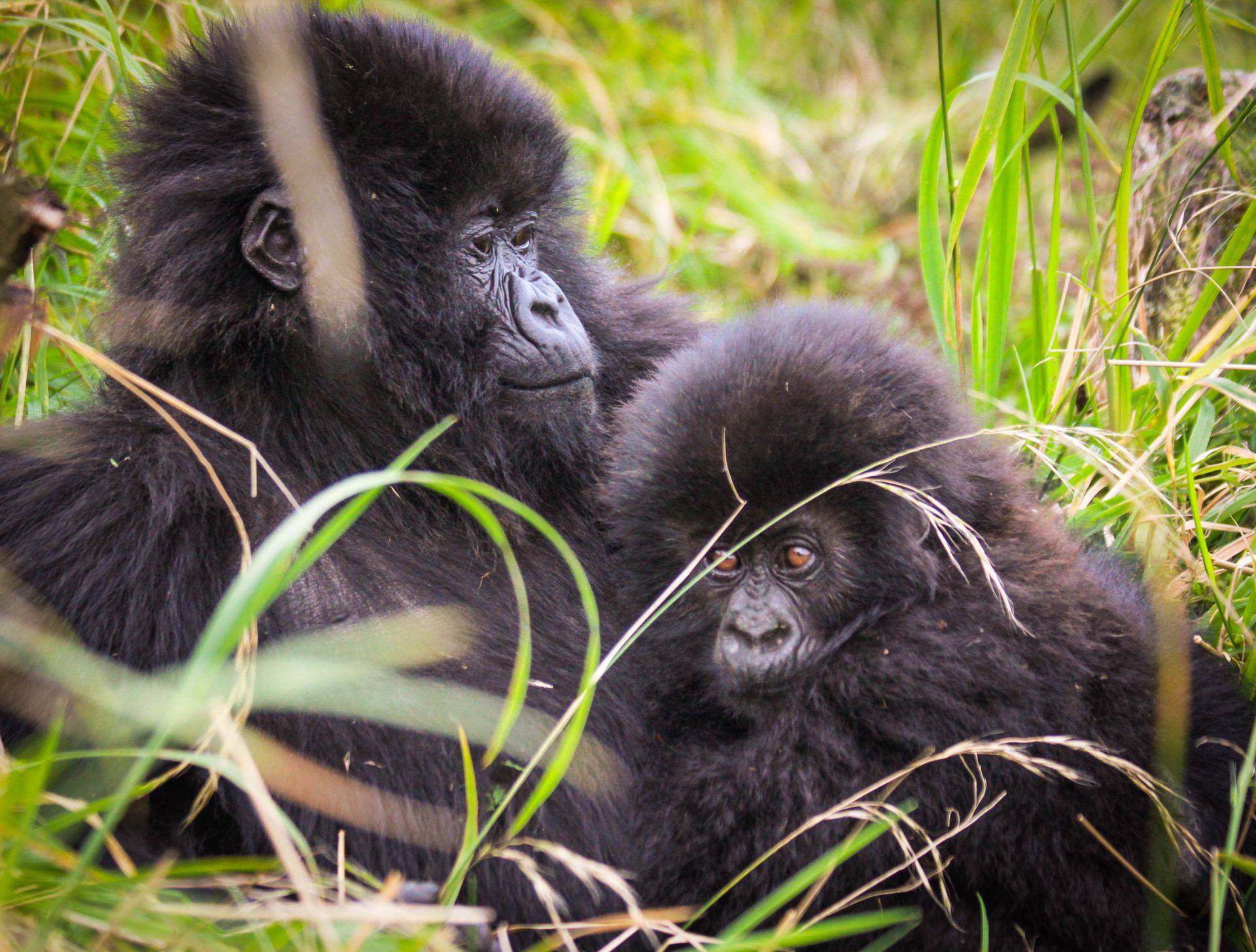
Poaching is one of the greatest challenges affecting the survival of mountain gorillas and unfortunately both young and old gorillas are not spared. If it wasn’t for the combined efforts of Wildlife Authorities or International Conservation Agencies, they would have been extinct by now.
However, the price of conserving these great apes is high, including human lives. Dian Fossey for instance lost her life while trying to protect mountain gorillas from poaching as well as many Virunga Park Rangers that have not been spared.
Gorilla population now stands at about 1063 individuals living in Bwindi Impenetrable National Park and the Virunga Conservation Area-comprising of Mgahinga Gorilla National Park in Uganda, Virunga National Park in Democratic Republic of Congo and Volcanoes National Park of Rwanda.
REASONS WHY GORILLAS ARE POACHED.
Even with the several conservation measures being out in place such as Law Enforcement patrols, these Great Apes are still poached for a number of reasons that include;
Accidentally poached.
Mountain gorillas have often become victims of traps set for other animals especially elephants as well as antelopes hence leading to severe injuries and sometimes death. Accidental poaching doesn’t only come from set traps but sometimes gunshot wounds from cross-fires between rangers and rebels. This is common within Virunga National Park of the Democratic Republic of Congo.
Bush meat.
Indigenous dwellers of the forests or forest surrounding areas and rich folks from Asia and Europe enjoy feasting on gorilla meat and assume greatness/prestige in eating this wild meat. Traps are therefore set up to catch unsuspecting mountain gorillas, especially infants and sometimes it’s not only eaten but as well sold in the black market to earn income.
Pet trade.
Another reason why mountain gorillas are poached is for pets. These Great Apes are sometimes abducted and sold abroad to rich owners of private and illegal animal Sanctuaries or Zoos. This black market is also common in the Democratic Republic of Congo where Conservation efforts are frustrated by civil unrest in the Eastern Democratic Republic of Congo.
Selling a baby gorilla abroad goes for $1,000 to $5,000 in the black market and this entices locals to poach for these already endangered Great Apes. Buyers also keep dead mountain gorillas as trophies as a sign of power and wealth.
Medicinal purposes.
Some people poach for mountain gorilla body parts for medicinal purposes-for magic and remedy for some ailments. Although they have not been scientifically proven to be effective, some people believe in their healing power.
OTHER THREATS TO THE SURVIVAL OF MOUNTAIN GORILLAS.
Poaching is not the only threat to the survival of mountain gorillas. Other threats include;
Diseases.
Mountain gorillas share 98.2% of their DNA with humans and this makes them susceptible to a number of human communicable diseases such as flue, colds and cough. It is for this reason that a minimum viewing distance of “7 meters from gorillas” was set up and visitors are always advised to cover their mouths when coughing or sneezing.
Habitat loss.
This is another serious challenge undermining gorilla conservation and affecting their survival within their natural environments. As population of communities living around National Parks grow, the size of animal habitats also reduce. Rwanda’s Volcanoes National Park for instance has lost more than 50% of its size to encroachment from the time of establishment.
Wars and civil unrest.
Mountain gorillas in the Eastern Democratic Republic of Congo have been the main victims of this challenge since the area has become the main hide out for different rebels and Militia Groups.