As the saying goes; “Disability is not Inability” so do we concur. Are you lame? Less mobile or even deaf? Beat the odds of Gorilla trekking and encounter the mighty gorillas in their natural habitat. If not in the high altitude mountainous forests of Africa; then no other place will you find the gorillas; not even in the zoos. It is once-in-a-lifetime adventure. In all the trekking destinations; special offers are made for those interested in gorilla trekking; starting with selecting the most ideal seasons, travel means and many more amenities. These arrangements encompass all persons from every race, nationality and color.
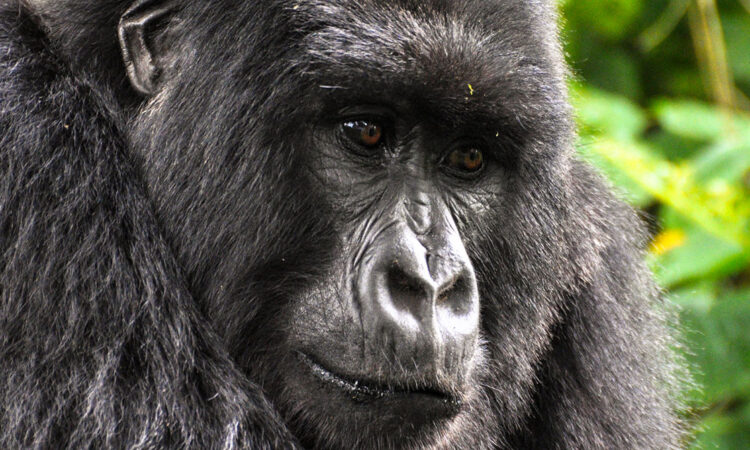
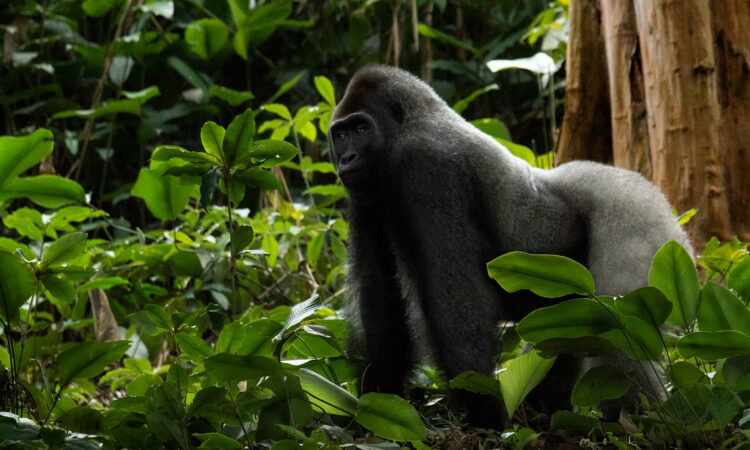
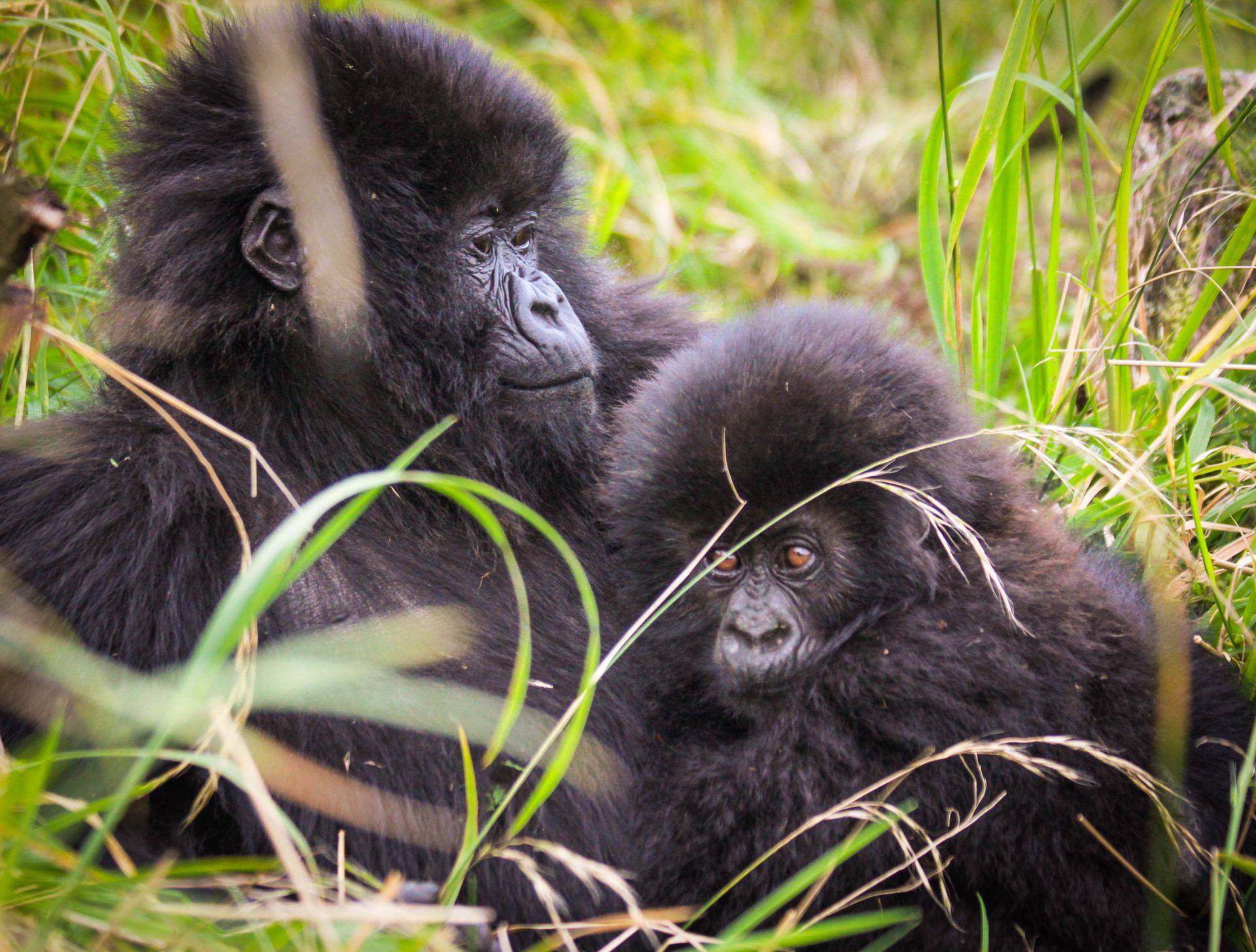
Gorilla trekking is one of the 5 must-do activities for everyone in the world; it is a prime safari activity done only in the continent of Africa. Three gorilla species are present; each with unique behavior and features; with thick black fur all over their giant bodies, wrinkled nose and large thumbs.
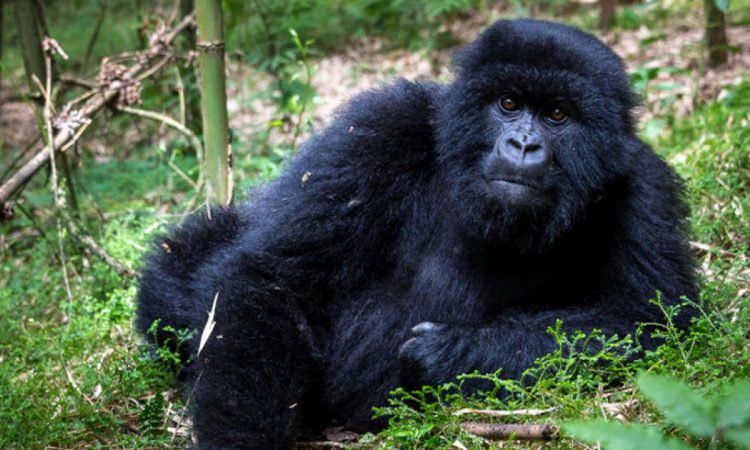
Researchers say that gorillas have over 95% human-like genes and behaviors. They are very social creatures; living in troops of about 7 to 40 members; led by a dominant silverback whose responsibility is to instill discipline, find new territories, and defend the family, even if it means losing its own life.
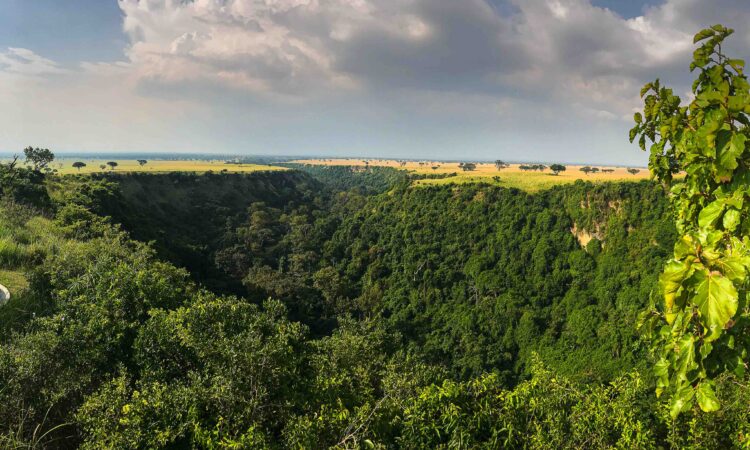
Gorillas live in the vast Virunga ranges; a chain of mountains that sprawl through three countries; Republic of Rwanda; Republic of Uganda and the Democratic Republic of Congo. In Uganda is where half of the population is sheltered and can be tracked in these two destinations; Bwindi impenetrable national park and Mgahinga Gorilla national park in the southwestern part of Uganda. In the Republic of Rwanda, find these creatures in northern based Volcanoes National Park. In the Democratic Republic of Congo, they are in Virunga national park while Kahuzi-Biega National park host the rare eastern lowland gorillas.
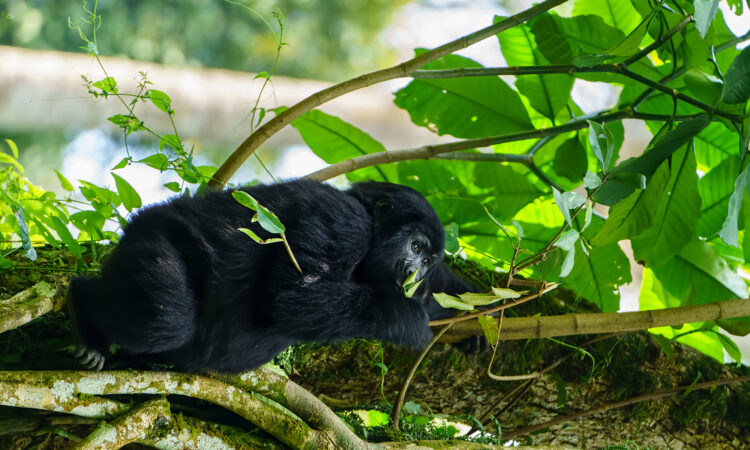
These creatures are shy and mobile, feeding mainly on vegetables; notably bamboo shoots, leaves, fruits and stems among others. Water is got from the morning due, as well as from the leaves. As much as they look heavy, with giant bodies, they climb the tree branches when playing or picking what to eat.
How gorilla trekking for the disabled is done?
The trekking activity is typically done on foot, deep into the Jungle, through mountainous terrain and lush territories, with thorns and many more. In some places the park rangers guiding you must use a machete to create a path, but when it comes to persons with disabilities more is done to make the search simpler, safer and fun; without omitting any experience.
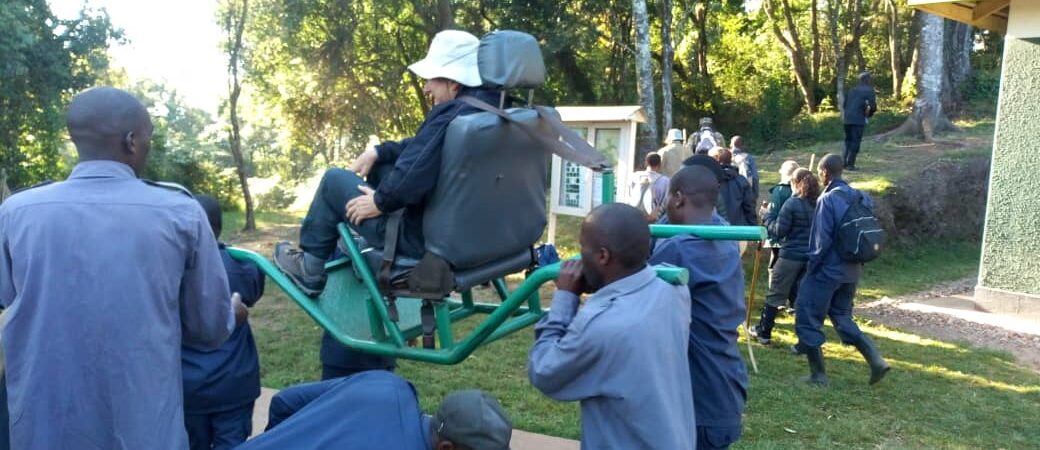
Porters are at always available to carry disabled persons to and from the gorillas. A traditional bamboo stretcher carrier, sedan chairs with seat belts and handles or a good belt steel-base for carrying the disabled trackers to and from the apes are used. Depending on one’s weight and desire, up to 12 able-bodied men can be assigned to the task of making your primate experience come true.
How to book a gorilla trekking tour in Africa as disabled?
Book at least 3 months in advance for proper arrangements to be done.
Just as other normal gorilla tour bookings, gorilla trekking is also done so easily and faster. With a tour operator of your choice, make the dates of your travel known, your age and much more information. But for a special needs person, make sure you state to the person responsible for your disability and what type of service is needed for special arrangements to be made in advance, for the tour to be wonderfully arranged and added to the special interest categories.
Gorilla permit for the disabled.
To track the gorillas, you must be above the age of 15 years with a valid trekking permit; a permit for the disabled, foreign non-residents costs 700 USD; 600 usd for foreign residents and 250,000 UGX for East Africans and Uganda citizens, 1500 USD in Rwanda and 400Usd for those heading to the Democratic Republic of Congo.
This cost caters for only park entrance and payment of the rangers; but not the extra service by the able-bodied men who will carry you to and from the gorillas.
Time for travel and accommodation.
June to September and December to February are the most ideal months for a Gorilla trekking safari for disabled persons. Make it a point to book accommodation at the very area of trekking so as time is saved and also quality experienced attained.
Accommodations range from Budget to Luxury lodges, homesteads, and campsites. Those suitable for special needs persons can also be arranged.
Gorilla trekking for the disabled is possible, affordable and unforgettable. We can make you attain the same satisfaction. Just contact us for your gorilla tour today!